
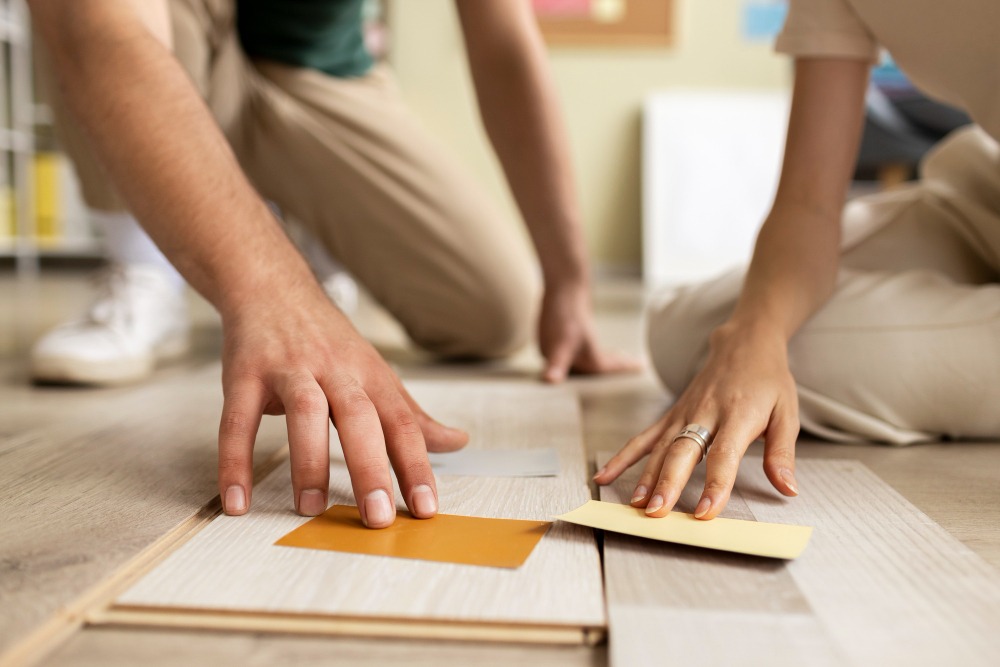
Installing new flooring is one of the most exciting home updates you can make. Whether you’re upgrading to hardwood, installing luxury vinyl plank, or refreshing a tired room with a cleaner design, new floors can completely transform the look and feel of a space. But with that transformation comes a bit of preparation.
Many Rhode Island homeowners are surprised to learn how important the prep phase is. A smooth installation doesn’t just depend on the installers—it depends on the home being ready. Proper preparation helps avoid delays, protects your belongings, and ensures your new floors look as good as possible from day one.
If you’re planning a flooring installation in Rhode Island, this homeowner checklist will guide you through everything you should do before the crew arrives.
Understand the Type of Flooring Being Installed
Before preparing your home, it helps to know what your installation will involve. Hardwood, vinyl plank, laminate, and engineered wood all require different prep steps.
For example:
- Hardwood may need acclimation time.
- Vinyl plank can often be installed over existing floors.
- Engineered wood requires moisture considerations.
- Some materials need specific subfloor conditions.
If you’re unsure what your project requires, the team at D&M Hardwood Flooring can walk you through the process. You can learn more about their wood and vinyl flooring options on their wood flooring and vinyl and laminate flooring pages.
Clear the Room Completely
Your installation team will need full access to the space. That means removing:
- Furniture
- Rugs and mats
- Electronics
- Plants
- Artwork
- Decor
Even small items like lamps, books, and picture frames should be removed to prevent accidental damage.
If you have heavy furniture or large items you can’t move yourself, it’s best to discuss this with your installers ahead of time. Some companies offer assistance, but it’s important to confirm before installation day.
Prepare Adjacent Areas
Flooring installation doesn’t just affect the room being updated. Installers will be moving materials and equipment through hallways, staircases, and entryways.
Protect surrounding areas by:
- Removing items from walls
- Clearing hallways and walkways
- Rolling up rugs
- Covering nearby furniture
If you’re having staircase refinishing done as well, take a moment to review D&M’s staircase refinishing services so you know what to expect.
Address Subfloor Issues Ahead of Time
Quality flooring requires a solid foundation. Subfloors that are uneven, soft, or damaged can affect the installation and the longevity of your new floors.
Common issues include:
- Squeaks
- Low spots
- Moisture problems
- Loose boards
Your flooring contractor will typically inspect the subfloor before installation. If anything needs repair, addressing it early avoids delays and ensures the best results.
Manage Pets and Kids During Installation
Installation day can be noisy, dusty, and disruptive. Pets and children may be curious about the activity, but it’s safer to keep them out of the work area. Consider:
- Temporary gating
- Using another room or level
- Having kids or pets stay with family or friends
Keeping the area clear helps the installation crew work efficiently and reduces safety risks.
Provide Easy Access for the Installation Team
Installers often bring large equipment, boxes of flooring, and tools that require space to move. Before they arrive, make sure:
- Driveways and walkways are clear
- Closest entryways are accessible
- Outdoor obstacles are moved
- There’s a space to store materials temporarily
This is especially helpful in older Rhode Island neighborhoods with tight driveways or limited parking.
Remove Doors if Necessary
Depending on your flooring height, doors may need to be removed or planed down. In many cases, installation teams will handle this, but it’s helpful to know ahead of time.
Check door clearance for:
- Bedroom doors
- Closet doors
- Basement doors
- Bathroom doors
If flooring height increases significantly, door trim adjustments may also be needed.
Create a Dust and Debris Plan
Even with dustless sanding systems, flooring installation produces some dust, especially if removing old materials. To protect your home, you may want to:
- Cover nearby furniture
- Close off HVAC vents in the workspace
- Use plastic sheeting for sensitive areas
After installation, a simple vacuum and wipe-down of surfaces is usually enough to get things clean again.
Prepare for Acclimation if Required
Some flooring materials need time to acclimate to your home’s temperature and humidity before installation begins. This is especially common with hardwood.
Your flooring contractor will let you know how long the material should sit in the space—typically 48–72 hours. Proper acclimation prevents issues like warping, cupping, or gaps later on.
Plan for a Temporary Disruption
Flooring installation is not a quiet process. Sanding, hammering, cutting, and moving heavy materials can temporarily disrupt your household.
It helps to plan ahead by:
- Prepping meals the day before
- Keeping children out of the area
- Expecting noise throughout installation
- Scheduling around work-from-home days if needed
Being prepared makes installation day far less stressful.
Review Expectations with Your Installer
Before installation begins, have a clear conversation with your flooring team about:
- Start and end times
- Estimated project duration
- Access points
- Cleanup plans
- Any special considerations for your home
This ensures everyone is on the same page and minimizes surprises.
If you’re working with D&M Hardwood Flooring, their team will guide you through each step and provide personalized recommendations. Visit their contact page if you’re ready to begin planning.
A Smooth Installation Starts with Good Preparation
Preparing for a flooring installation doesn’t have to be overwhelming. With a little organization and clear communication, you can help the process go smoothly and enjoy your new floors without stress.
From hardwood to vinyl plank, the right flooring can completely transform your home. Taking the time to prep ensures the installation team can do their best work, giving you long-lasting, beautiful results.
To learn more about installation or browse flooring options, visit D&M Hardwood Flooring’s blog or explore their wood and vinyl pages.
