
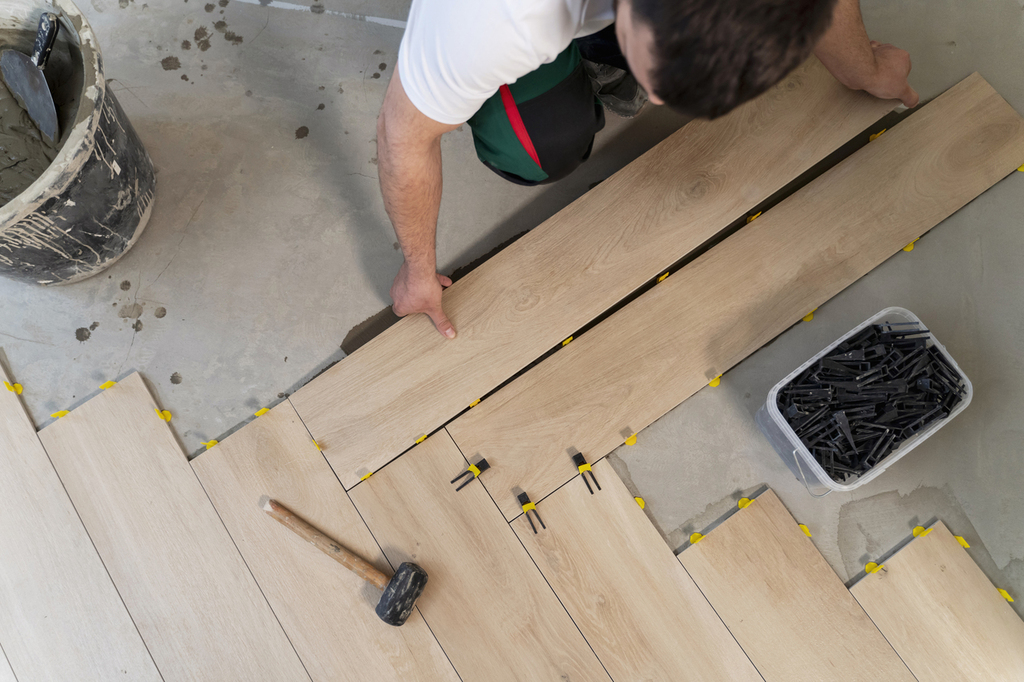
The kitchen is one of the most design-sensitive spaces in any Rhode Island home. Cabinets take up a large portion of visual space, and flooring anchors everything beneath them. When those two elements work together, the result feels cohesive and intentional. When they don’t, the entire room can feel slightly “off,” even if you can’t immediately explain why.
If you’re planning a renovation or updating your kitchen floors, understanding how to approach matching flooring and cabinets in RI homes can save you from costly design regrets. Whether you’re installing hardwood, luxury vinyl, or refinishing existing floors, here’s how to make sure your cabinetry and flooring complement each other beautifully.
Why Flooring and Cabinets Must Be Considered Together
Cabinets and floors are permanent design features. Unlike décor or paint, they’re not easy to swap out. That’s why they must be selected as a pair.
In Rhode Island kitchens — from historic Providence homes to newer suburban builds — the kitchen often opens into living spaces. This makes cohesion even more important. The flooring needs to coordinate not only with cabinetry but also with adjacent rooms.
When cabinets and floors clash in tone, undertone, or contrast, the space can feel disjointed instead of polished.
Start with Undertones, Not Just Color
One of the most common mistakes homeowners make is focusing only on light versus dark. The real key lies in undertones.
Wood tones can lean:
- Warm (golden, honey, reddish)
- Cool (gray, muted brown, ash)
- Neutral (balanced between warm and cool)
If your cabinets have warm undertones and your flooring has cool undertones, they may compete visually. For example, pairing gray-toned flooring with orange-toned oak cabinets can create tension.
Instead, keep undertones consistent. Warm cabinets pair best with warm flooring. Cool cabinets work better with cooler wood tones.
If you’re exploring hardwood design ideas in RI, visiting a local showroom and comparing samples side by side is essential.
Avoid Perfect Matching
It might seem logical to match your flooring exactly to your cabinets. In reality, identical tones often make a room feel flat and heavy.
Instead, aim for contrast with harmony.
For example:
- White cabinets with medium or dark wood floors
- Dark espresso cabinets with lighter oak flooring
- Natural wood cabinets with slightly darker or lighter floors
Contrast creates depth, while matching undertones maintains cohesion.
You can explore hardwood flooring options at https://dmhardwoodflooring.net/wood-flooring/ to see how different stains compare.
Light Cabinets: What Flooring Works Best?
White and light-painted cabinets remain popular in Rhode Island kitchens. They offer flexibility and brightness.
With light cabinets, you can choose:
- Medium brown hardwood for warmth
- Dark wood for dramatic contrast
- Light wood for an airy, seamless feel
- Luxury vinyl in neutral tones for durability
If your kitchen receives plenty of natural light, darker flooring can create beautiful balance. In smaller kitchens, lighter flooring may help maintain openness.
Dark Cabinets: Creating Balance
Dark cabinetry — such as deep gray, navy, or espresso wood — adds sophistication but requires thoughtful flooring selection.
To avoid making the room feel too heavy:
- Choose lighter hardwood tones
- Opt for neutral luxury vinyl plank
- Use matte finishes to soften contrast
Dark cabinets paired with very dark flooring can overwhelm smaller Rhode Island kitchens, especially in older homes with limited lighting.
If durability is a concern, vinyl plank flooring installation in RI provides moisture resistance while offering a wide range of tones to coordinate with darker cabinetry. Explore options at https://dmhardwoodflooring.net/vinyl-laminate-flooring/.
Considering Open-Concept Layouts
Many modern Rhode Island homes feature open kitchens that flow directly into living and dining areas. In these cases, your flooring must transition smoothly beyond the kitchen.
Ask yourself:
- Does the flooring work with adjacent room furniture?
- Will cabinet contrast feel too abrupt in an open layout?
- Does the tone align with trim and baseboards?
Using consistent flooring throughout the main level often creates the most cohesive look. However, in moisture-prone areas, vinyl may be the more practical choice while still matching hardwood visually.
Viewing completed installations at https://dmhardwoodflooring.net/our-work/ can help you see how different combinations perform in open layouts.
Texture and Finish Matter Too
Color isn’t the only factor. Finish and texture also influence how cabinets and floors interact.
Matte or satin finishes are increasingly popular because they:
- Reduce glare
- Feel more natural
- Complement modern cabinetry
- Hide minor wear
Highly glossy floors can reflect cabinet color strongly, which may amplify mismatches.
Choosing the right finish ensures the relationship between floor and cabinetry feels balanced rather than harsh.
Think Long-Term
Kitchen cabinetry often stays in place for decades. Flooring should feel timeless enough to adapt to changing décor and paint trends.
Neutral medium tones offer flexibility and broad appeal, especially if resale is a consideration. Hardwood flooring in Providence RI homes, for example, often benefits from balanced tones that suit both traditional and modern buyers.
If you’re unsure which direction makes sense for your home, working with experienced Rhode Island flooring experts can provide clarity.
Getting Professional Guidance
Selecting flooring to match cabinetry isn’t just about preference — it’s about proportion, lighting, undertone balance, and long-term durability.
A professional hardwood flooring contractor in RI can evaluate your space, review cabinet finishes, and recommend options that align with your layout and lifestyle.
To discuss your project, visit https://dmhardwoodflooring.net/contact-us/ to schedule a consultation. You can also explore more design insights on the blog at https://dmhardwoodflooring.net/blog/.
Creating Harmony in Your Kitchen
Matching flooring and cabinets in Rhode Island kitchens requires careful planning, but the payoff is worth it. When tones complement each other and transitions feel intentional, your kitchen becomes a cohesive, inviting space that feels thoughtfully designed.
Whether you choose classic hardwood or modern luxury vinyl, balance is the goal. With the right pairing, your flooring won’t just support your cabinets — it will elevate the entire room.